

The latest from the Blog


Message from the president
“Welcome to the online presence of the Mark Twain Elementary PTO, where we hope you will discover more about our International Baccalaureate World School and how you can volunteer your time and talent to help us build an outstanding learning community.
At Mark Twain, all families are members of the PTO and are a vital part of the school community. We are honored to support the dedicated teachers and staff at Mark Twain whose commitment to innovation and excellence helps its educational programs to thrive.
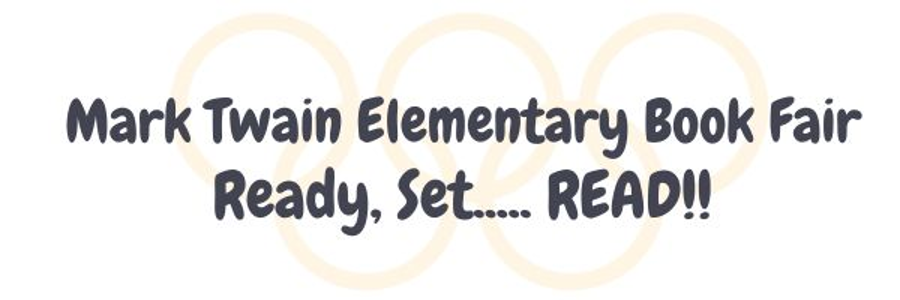
The PTO plays an active role in the educational enrichment of the students at Mark Twain by providing funding in many areas, including support of the IB program, technology, and enhanced educational materials. In addition, the PTO organizes events such as Math & Science Night, STEAM Night, the Spooky Spectacular Carnival, International Festival, Book Fair, Bingo Night and much more.
When you enroll your child at Mark Twain Elementary, you become part of the Mark Twain family. We look forward to working with you as we support a school community that educates, loves and respects our children.”
Content Link Block

Calendar of events
follow us on instagram!


View fullsize
![]()

View fullsize
![]()


View fullsize
![]()

View fullsize
![]()


Thank you Mark Twain 2023-2024 Corporate Sponsors!



























contact information
Mark Twain Elementary School
7500 Braes Blvd.
Houston, TX 77025
(713) 295 5230
